
I chose Japan for this research opportunity because it combined, advanced scientific innovation, a rich cultural heritage and incredible travel experiences. Growing up around different cultures, I developed a strong appreciation for international collaboration and academic excellence. Japan has always stood out to me, not only for its fascinating history and traditions but also for its global leadership in research, technology, and scientific development.
When I read about Hoshi University, I was immediately impressed by its reputation for excellence in research and pharmacy education. The chance to take part in lab-based research matched perfectly with my goals. I’ve always been passionate about drug development and finding new ways to improve healthcare, and Hoshi’s commitment to cutting-edge pharmaceutics and international collaboration made it an ideal environment to expand both my academic and practical skills.
Beyond academics, Japan itself is an incredible country to live in and explore. From the bustling energy of Tokyo and the serenity of temples to mountains and coastal towns, there is so much to experience. The opportunity to live in Tokyo, travel across Japan, and immerse myself in both its modern and traditional culture and the combination of world class research made this experience even more exciting and rewarding.

During my 2 month placement at Hoshi University, I worked in the Organic and Biomolecular Chemistry laboratory under Professor Kanoh. I was given the chance to run my own project which allowed me to take full responsibility for my experiments after guidance from my supervisors. This autonomy challenged me academically, as I adapted to chemistry-heavy techniques, learned to handle chemicals I had never worked with before, and problem-solved independently. My professors were always approachable for guidance if needed, which gave me confidence in my abilities and encouraged me to take initiative.
In my project, “Reproducing the Synthesis of Trivalent PROTACs and Evaluating Protein Degradation.”, I reproduced the synthesis of a trivalent PROTAC and subsequently evaluated it in protein degradation. A previous study from the lab had used Western blotting, but I instead applied and evaluated the NanoLuc HiBiT detection system, which provided faster, more reproducible, and more sensitive results than the previously used Western Blotting system.
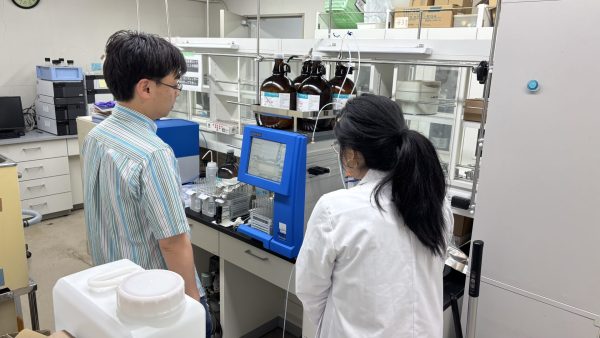
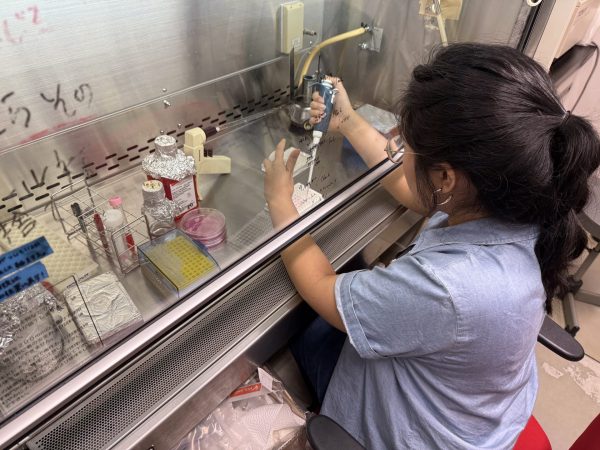
At the start, I spent a good amount of time reading papers to get familiar with PROTACs and the lab’s previous work. My day usually starts at 10am and my daily activities then mainly involved synthesising PROTAC molecules, where I carried out reactions such as coupling reactions and deprotection (e.g. de-Boc), followed by purification and analysis methods using techniques like NMR, HPLC, TLC, preparative TLC. In the last month, I began my biological experiments, spending part of each week in the Pharmacognosy lab under Professor Morita to test the PROTACs I made, along with a few others, on protein degradation. For this, I performed cell culture, treated cells with PROTACs, and used the NanoLuc HiBiT detection system instead of the more traditional Western blotting. This approach was quicker, more reproducible, and more sensitive, and it allowed me to compare my results with previous findings for reliability.
Alongside the primary research, I had the opportunity to tour other laboratories across Hoshi University, including the epigenetics lab, physical chemistry lab, and Pharmaceutical Science and Technology lab. These visits provided insight into the breadth of research being conducted and allowed me to see the interdisciplinary connections between organic chemistry, pharmacology, and biomedical sciences.
Eating Habits
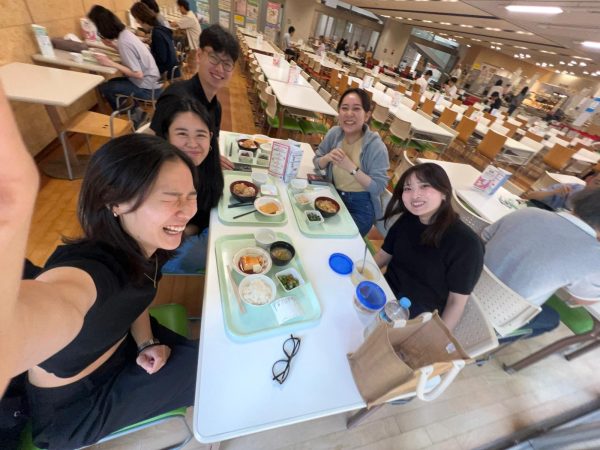
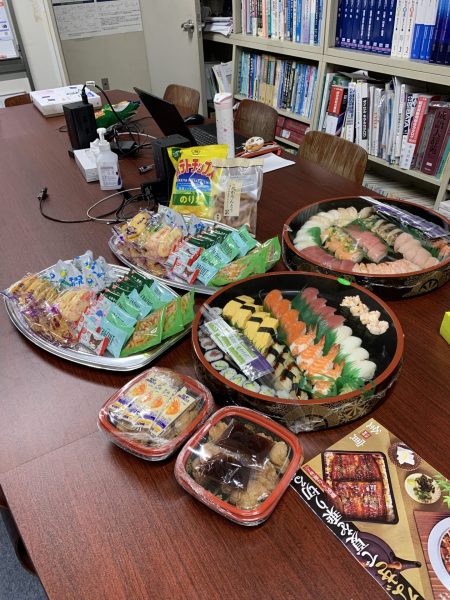
Living in Japan gave me the opportunity to experience a wide variety of cuisines. I went out for lunch almost every day with friends from my lab, other students from Hoshi University, and even people I met outside the university. I ate traditional Japanese dishes such as sushi, ramen, yakitori, tempura, sukiyaki, Takoyaki, Okonomiyaki and even Natto (although it was not my favourite). I also tried Korean, Western, and Italian cuisines, and had one of the best pasta dishes with cod roe and butter, which sounds a bit unappealing but it tasted like carbonara. Surprisingly, Japanese people love Italian food, particularly pasta and pizza. There are many affordable Italian chains, like Saizeriya, located practically every 500 meters, making it easy to grab a quick meal. One of the highlights of my culinary experience was trying pufferfish, which was an unforgettable and unique experience.
Convenience stores like FamilyMart, Seven-Eleven, and Lawson were also abundant, they say there is one at least 300m from where you are standing in every direction. These stores made it simple to pick up snacks, drinks, or quick meals at any time. I tried FamilyMart’s chicken and enjoyed a lot of ice cream, with my favorite being the Choco Monaka Jumbo, which is like an ice cream waffle. Dining out was affordable compared to Ireland, which allowed me to enjoy a diverse range of food almost every day. Some of my favourite spots included sushi conveyor belt restaurants, yakitori bars in Omoide Yokocho, and local restaurants near university and in Shibuya.

Places to Stay
During my time in Tokyo, I lived in a share house called Sakura House with two roommates, one of whom became one of the best people I met during my stay. Being in a new country alone makes it hard to make friends naturally, especially outside the university, so I would highly recommend a shared accommodation as it allows you to meet and interact with both local and international residents.
The accommodation was clean, comfortable, and conveniently located just a 15-minute walk from Hoshi University. A grocery store and two convenience stores were only 2-5 minutes away, making it easy to buy food or daily necessities. One of the highlights of the apartment was the rooftop which offered a wonderful view of Mount Fuji on a clear day. The accommodation was also only an eight-minute walk from Togoshi Ginza, a long shopping street with two conveniently located train stations. With Japan’s well-designed transport system, it was easy to visit popular areas such as Shibuya and Shinjuku within 15–20 minutes.
Climate
I arrived in Tokyo during the rainy season in late May. Before coming, I had heard from friends and previous visitors that summer in Japan could be extremely hot and humid, with nonstop rain in June and temperatures reaching 35°C in July. However, my experience was much more manageable. In June, it only rained a few times, and the average temperature was around 22°C. Towards the end of July, temperatures rose to 29-30°C, but it was manageable with handheld fans, ice cream, a UV umbrella and some of the cool Japanese summer products to help cool off.
Public Safety
Japan is exceptionally safe. Throughout my two-month stay, I never felt unsafe, whether walking alone at night, taking public transport, or exploring busy city districts. Even during large public events like summer festivals, the presence of staff, police, and clear guidance ensured a secure environment. It was reassuring to know that if you missed the last train at midnight, you could always take a taxi and still feel safe. I could confidently go out late at night for a walk or a run, this safety made it easy to explore Tokyo and the surrounding areas at any time.
How to Spend Holidays
I made the most of my free time by exploring both Tokyo and other regions of Japan. On weekdays, I was usually in the lab from 10 a.m. to 4 p.m., so my outings were mostly limited to evenings, when I often went to Shibuya or Shinjuku for dinner with friends and to explore the bustling streets. On weekends, I took full advantage of my time off to venture beyond Tokyo Prefecture and discover Japan’s diverse landscapes and culture.

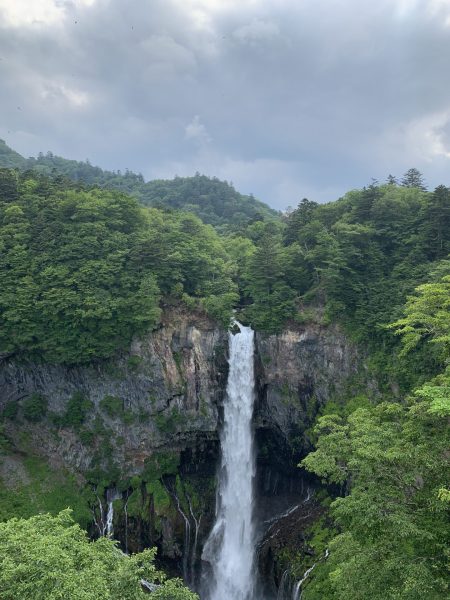
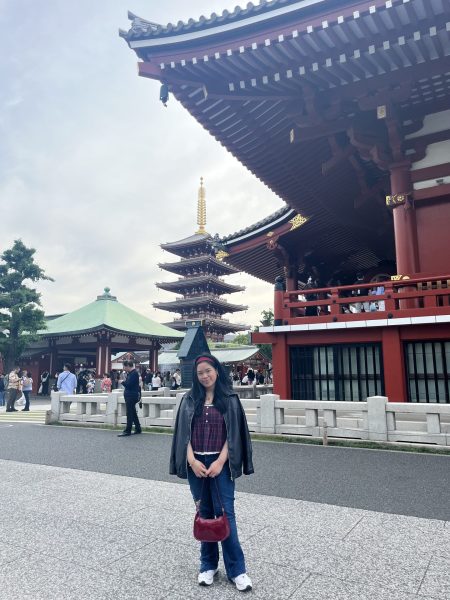
Within Tokyo, I explored districts including Shibuya, Harajuku and Shinjuku which was amazing for shopping and food, Roppongi and Ginza for luxury shopping, night views and the aquatic art museum, Odaiba for the beach and science museums, Asakusa and Ueno for iconic attractions and Akihabara for all things electronic (found my fav digital camera here!). I visited landmarks such as Sensoji Temple, Meiji Shrine, and the famous Shibuya Crossing, and enjoyed the spectacular city views from Tokyo Tower and Shibuya Sky, both by day and night.


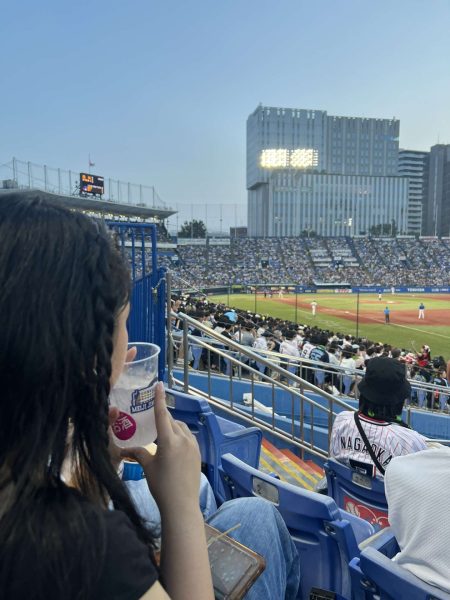
For weekend adventures, I travelled to scenic and cultural locations beyond Tokyo. I hiked Mount Takao with friends from Hoshi, explored Enoshima Island with lab mates, and visited UNESCO World Heritage sites in Nikko, including Kegon Falls and its temples. I visited Mount Fuji in Kawaguchiko where I was lucky to see the summit clearly and hiked it from the 5th station. I also visited Takasaki and Kamakura, which had amazing views of the beach and the biggest buddha statue. In Yokohama, I explored the port area and vibrant Chinatown, tasting some of the best dumplings I’ve ever had. I also visited Ashikaga Flower Park, attended local summer festivals, and watched a baseball game at Meiji Stadium cheering on the Yokohama Swallows. Each trip offered a mix of cultural insight, breathtaking scenery, and unforgettable experiences, while also providing the perfect opportunity to bond with fellow students and friends outside of the university and create memories that went far beyond the lab.
I’m truly grateful to have had this opportunity, as it has helped me grow significantly both in academics and personally. In the lab, I gained valuable hands-on experience in conducting chemical reactions safely, including deprotection and purification steps. I also had the chance to work with advanced instruments, such as using an NMR machine to analyse chemical structures and applying HPLC techniques to purify and evaluate my products. These skills not only deepened my understanding of research but also gave me confidence in handling scientific processes from start to finish.
Culturally, the experience was equally rewarding. I picked up many useful Japanese phrases, with my favorite being “omakase” (“it’s up to you”), as I always had trouble deciding what activity to do or food to eat next. I was also struck by the kindness and hospitality of Japanese people, whether in the lab, at restaurants, or while navigating the city, there was always someone willing to help with genuine warmth.
This program allowed me to experience science in a new environment while immersing myself in Japan’s culture and community. It was truly an amazing opportunity, and I leave with not only stronger technical skills but also a deeper appreciation for the people and values that make Japan so unique.

This placement has solidified my interest in interdisciplinary research, particularly in drug development, protein-targeted therapeutics, and translational medicine. I hope to use the skills and techniques I learned in Japan in my future academic studies and career. The experience of working in a multicultural laboratory environment has inspired me to seek international collaborations in research, as I witnessed firsthand how diverse perspectives strengthen scientific inquiry.
I also aim to continue exploring Japanese culture and maintaining the friendships I built. The various skills I gained during this placement will continue to benefit me both academically and as an individual.

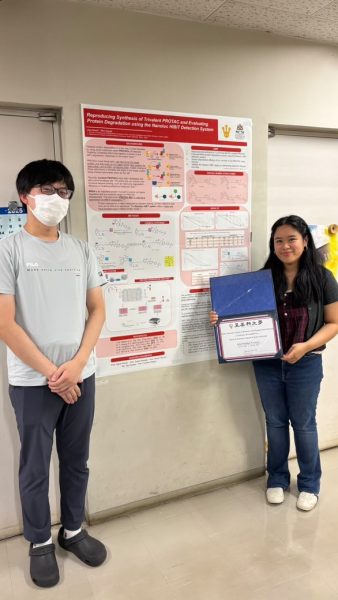
Participating in this research program at Hoshi University has been an incredible and unforgettable experience. The hospitality, mentorship, and encouragement I received from my supervisors, lab mates, and university staff made my stay truly enriching.
I would especially like to thank the Department of Organic and Biomolecular Chemistry – Professor Kanoh, postgraduates, and undergraduates – for their guidance and support in the lab, and for making me feel so welcome. I also want to thank Toshiyuki Ami from the International Executive Office for his coordination and guidance throughout the program.
Even though I was in Japan for two months, there are still thousands of places I want to explore. I am already planning my next trip back to visit Okinawa, Osaka, Kyoto, Sapporo, and many more, while continuing to discover the country’s beauty and diversity.
I sincerely thank everyone at Hoshi University who made this program possible and supported me throughout my stay. I would highly recommend this research exchange to any student seeking to broaden their academic horizons, develop research skills, and immerse themselves in Japanese culture. It truly is an opportunity that combines professional advancement with personal growth, creating memories and skills that will last a lifetime.
I chose to go to Japan for this experience as it was a once-in-a-lifetime opportunity to achieve multiple personal andacademic goals of mine: to visit Japan, and to study abroad and conduct research during my university time. Japan has always fascinated me with its delicious food, rich culture and history. Being able to live in Tokyo and study at a leading institution such as Hoshi University felt like the perfect opportunity to combine travel, learning, and personal growth. I had heard of the positive experiences from previous students that took part in this programme, which inspired me to apply. Furthermore, my motivation to join Hoshi University grew further when I became friends with exchange students from Hoshi who visited RCSI earlier that year. So, when the opportunity arose, I knew I couldn’t turn it down.
For me, this was not just about studying abroad but also about broadening my horizons and challenging myself in a new environment.
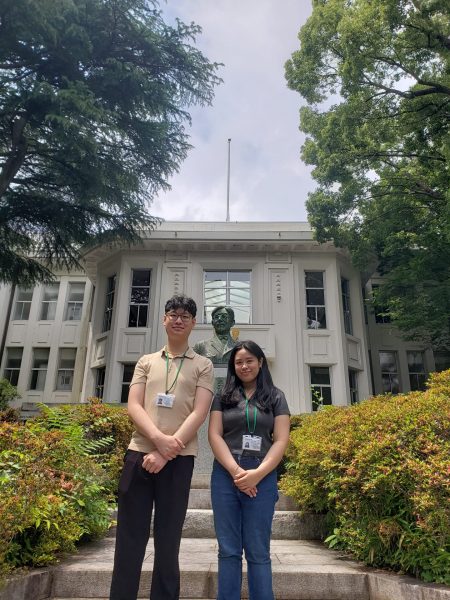
For the eight weeks, I joined the Pharmaceutical Science and Technology lab headed by Obata-sensei and Ikeuchi sensei. The lab focused on drug formulation and delivery systems. I was involved in two projects. One involved formulating nanofiber patches containing olanzapine for the treatment of nausea and vomiting, and the other focused on nanoemulsions for the treatment of oral mucositis in cancer patients. The research topics were not only really interesting but allowed me to connect theory I had studied in lectures to real-world application.
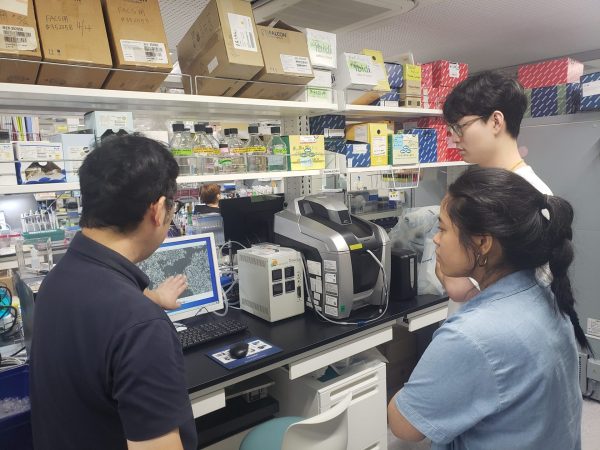
A typical day in the lab consisted of reading and researching papers, formulating our drug delivery systems, characterising our products, and finally analysing results. This was my first experience in a research lab setting, so it was both exciting and eye-opening to me. I learned a wide range of new techniques and operated machines such as electrospinning, HPLC, DCS, IR microscopy, and much more. Having only studied these in lectures, it was surreal and rewarding to gain hands-on experience with them.
Beyond the lab, I was able to experience student life in Japan. I attended weekly seminars with the department and participated alongside Japanese pharmacy students. A highlight was attending my first academic conference – the Japanese Cosmetic Science Society Conference – where I got the chance to hear about the cutting-edge research from scientists across the country.

Eating Habits
I have always loved Japanese cuisine, so in many ways I felt at home. I had to have the classics: ramen, sushi, tempura, onigiri, and so much more. Quickly I discovered convenience stores kombinis, which truly live up to their name, provided cheap, tasty meals and snacks perfect for a quick lunch or light bite.
When travelling, I like to be adventurous with food. One highlight was trying fugu(pufferfish), which is infamous for being potentially lethal is prepared incorrectly. Fortunately, I lived to tell the tale. At the same restaurant, we ordered something called “wife will cry karaage”. We chose it for its strange name, only to realise it was intestines after the first bite.
Eating out in restaurants was relatively affordable, but I didn’t eat out every day. Cooking for myself was easy as supermarkets were cheap and full of fresh ingredients.
Places to stay
We stayed with Sakura House in Togoshi-Shinagawa, just a 15-minute walk from the university, so it was a very convenient commute. The apartment had two other housemates, and many residents were also young adults that were also students or doing internships, so it was easy to make friends.
The accommodation was very well-located. Togoshi Station offered direct access to Haneda and Narita Airport, and 15 minutes away was Gotanda Station, which is on the Yamanote line, bringing me to major districts in Tokyo such as Shibuya, Shinjuku, Ginza, etc. There were countless shops and restaurants nearby in Togoshi-Ginza and MusashiKoyama shopping streets and in in Gotanda. I was sometimes overwhelmed by the sheer amount of choice I had.
Climate
Summer in Tokyo is hot and humid – at least 30℃ every day. June and July is also rainy season, so I always had an umbrella to avoid sudden downpours. Overall, I found the weather bearable with preparation – staying hydrated, wearing sunscreen, and even using UV umbrellas and clothes.
Public safety
Public safety is excellent in Japan. Every place I visited, I felt completely safe and welcome. The people are very polite and helpful whenever I needed assistance. One memorable moment was when I left my phone on a bench in a busy shop; after 10 minutes, it was still there – something that can’t be said for many places…
During my time, I experienced earthquakes (megaquake prophecies at one point), tsunami warnings, and typhoons.
Fortunately, I was never greatly affected. I usually just followed the lead of the locals, who probably knew best how to handle such events.
How to spend day off
On my days off, I loved to explore Tokyo’s many diverse neighbourhoods – Shibuya, Harajuku, Ginza, Meguro, and more. I think I enjoyed shopping too much in these places – my bank account has yet to recover. My favorite spot was probably Meiji Jingu, a shrine surrounded by trees and nature in the heart of Tokyo – you almost forget you are in the city here, followed by shopping in Harajuku nearby.
Activities I enjoyed were TeamLabs Borderless, spending more than 3 hours in the middle of the night on a shopping spree in Don Quijote, going to a baseball game – the atmosphere was incredible, and exploring Golden Gai’s narrow alleyways with hundreds of tiny bars that barely fit more than 10 people. Each bar had its own distinct vibe, and barhopping there was an unforgettable experience.
I also enjoyed going on day trips to escape the chaotic busy streets of Tokyo and visit places such as Hakone, Nikko, Kamakura. These trips allowed me to experience Japan’s amazing natural beauty and historical sites. After the programme, I spent a few days exploring Osaka with friends from home. Osaka was completely different to Tokyo – a lively city with amazing street food and vibrant nightlife.
There is so much I was able to experience in Japan, yet I still feel I have only just scratched the surface. Tokyo is such a vast and vibrant city that I was constantly impressed and amazed wherever I went. Looking ahead, I hope to return and explore more regions of Japan such as Kyoto, Hokkaido, and Okinawa.
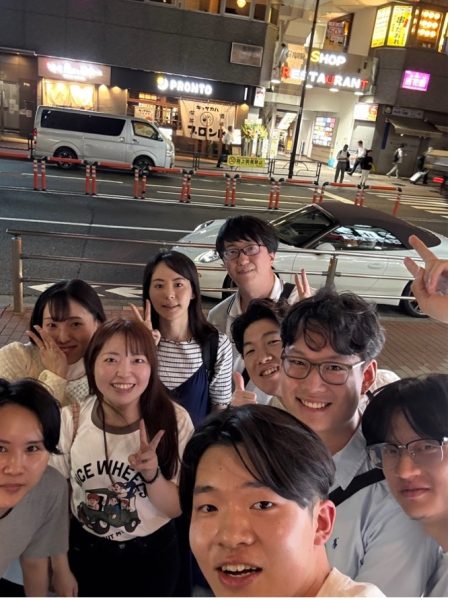
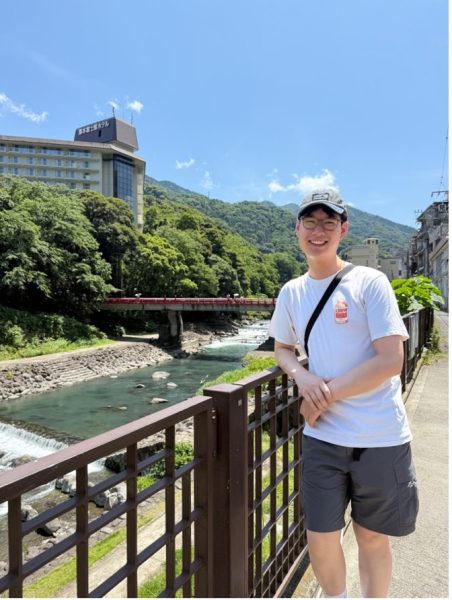
Participating in this programme was an incredibly rewarding experience, both academically and personally. From a professional perspective, I have gained a unique insight to pharmaceutical research. I have learned to apply concepts I had studied in lectures to real-life practice. This hands-on experience deepened my understanding of pharmaceutical sciences and improved my critical thinking. Additionally, I grew in my ability to work in a team. Adapting to a new environment in another country forced me to step outside my comfort zone and communicate effectively across cultures. Overall, I feel I have grown not only as a pharmacy student but also as a professional.
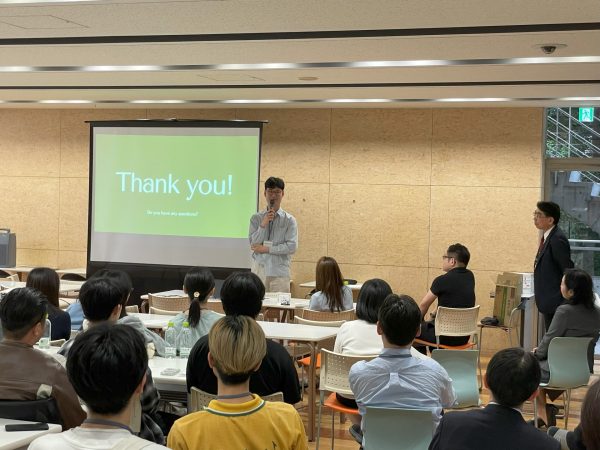
Looking ahead, I want to make the most of this experience by applying the skills and knowledge I gained in Japan to my future career in pharmacy. Working in a leading research environment at Hoshi University has strengthened my interest in pharmaceutics and research, and I intend to build on this by engaging with research opportunities during my degree and future training. The independence, adaptability, and problem-solving skills I developed will also support me as I progress towards my professional practice.
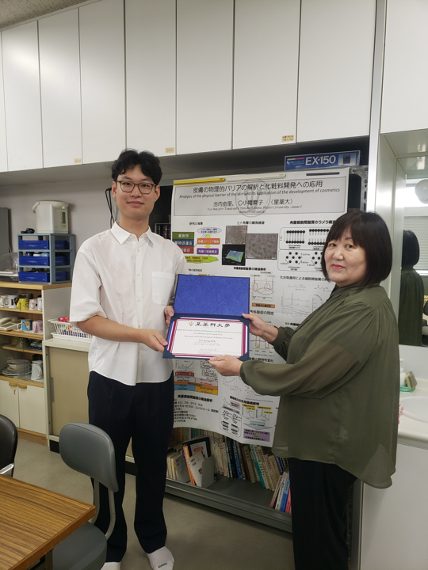
I am extremely grateful to have taken part in this once-in-a-lifetime opportunity. I would like to sincerely thank Ami san from Hoshi University and Fiona and all from RCSI, for supporting me through this journey. I want to also thank Obata-sensei and everyone in the Pharmaceutical Science and Technology lab for their kindness and guidance.
I feel truly fortunate to have spent my summer in my dream destination, gaining experiences that enrich me both professionally and personally . I have had such a wonderful time in Japan and am looking forward to returning soon.
 TOP
TOP
 アクセス
アクセス ENGLISH
 お問合わせ
お問合わせ 検索
検索